 Runway
The Autumn 2026 Runway Ideas Worth Understanding
By John Bloste
Spring 2027 is already being discussed while many readers are still working out what to wear this autumn.
 WORDS BYSara TillaOctober 21, 2026
Spring 2027 is already being discussed while many readers are still working out what to wear this autumn. That gap is worth keeping in mind. Runway coverage offers an early view of design ideas, not a reliable inventory of what will be available in every shop or what everyone will want to wear next year. The useful approach is to read the season as a developing conversation and resist turning an advance look into an immediate shopping deadline.
In its October 14 report, Vogue highlights skirts, bra tops, lighter and more transparent effects, and deliberately unconventional styling among the spring 2027 directions. Those observations describe the publication's reading of the shows. What follows is our interpretation of the questions they raise: how clothes reveal or conceal, how a single garment can organise an outfit, and why an intentionally imperfect combination can sometimes feel more personal than a perfectly coordinated one.
A skirt can organise an outfit through movement, volume and length. Instead of treating it as the bottom half added after choosing a top, start with its shape and ask what it needs around it. A full skirt may benefit from a quieter upper layer; a straight one may leave more room for a generous shirt. These are ways of reading proportion, not rules about which bodies should wear which silhouettes.
The interesting point is that a familiar garment category can generate many different looks without requiring a single dominant formula. For a reader, that creates room to revisit a skirt already owned. Try a different top length, shoe shape or outer layer. The spring reference becomes useful now as a way to look again at an object, rather than as a demand to buy a future version before you have finished wearing the current one.
An outfit can appear light through colour, fabric, spacing or construction. A pale palette creates one effect; a loose layer that moves away from the body creates another. Transparency is only one route. If a sheer garment is not something you enjoy wearing, you can still explore a lighter visual impression through simpler layering, softer colour contrasts or a shape that leaves more room around the body.
Practical context matters. Climate, workplace expectations and personal comfort determine how an idea can be used. A runway image may depend on styling that is not suitable for your day, but the underlying principle can often be adapted. Instead of reproducing the exposure or transparency exactly, ask what you like about the result. It may be the sense of space between garments rather than the amount of skin visible.
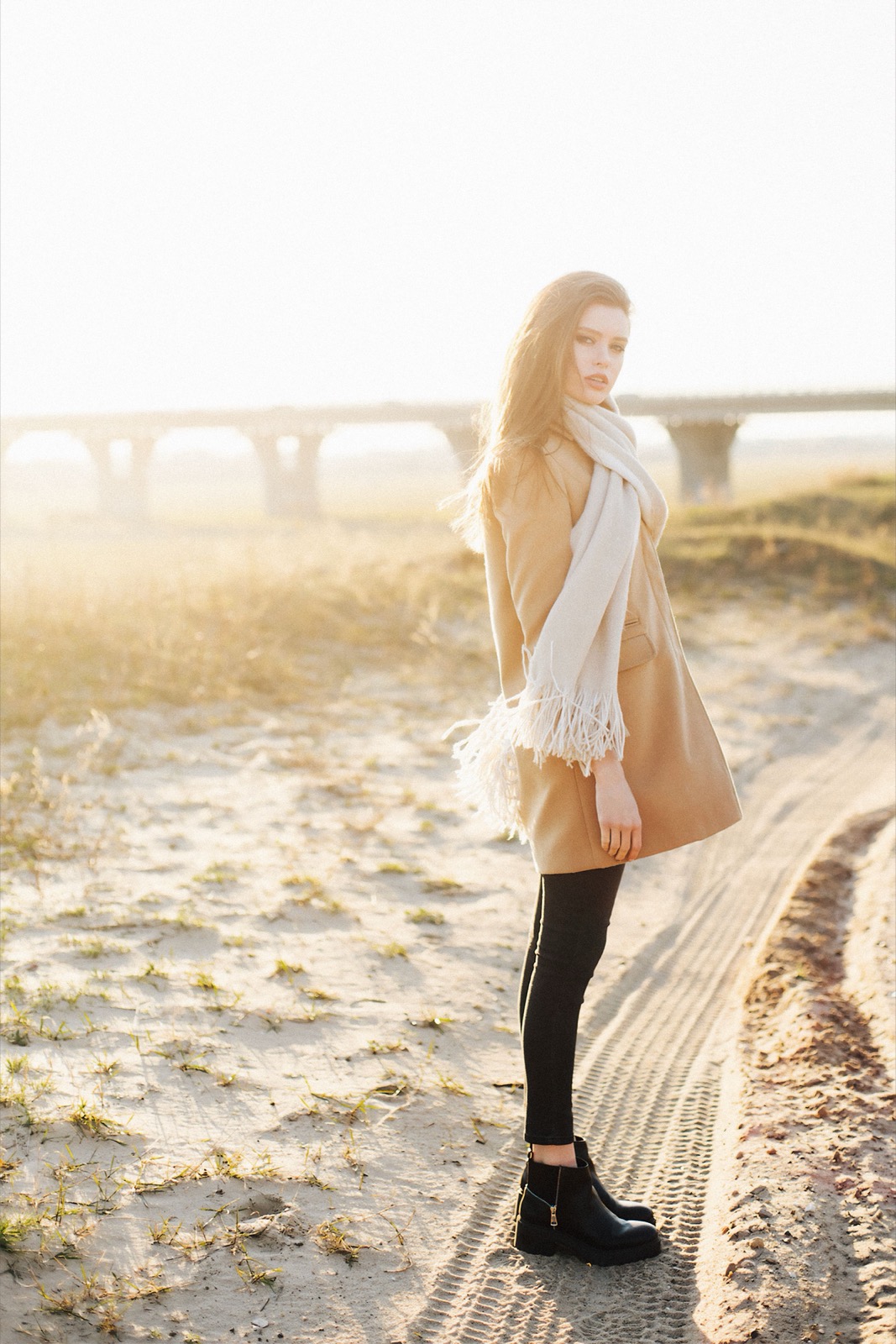
A short top, open shirt or transparent layer changes how the body is framed. The useful question is where you want definition and where you want coverage. You can make those decisions deliberately without treating a trend report as a set of permissions. A bra-top reference might translate into a layered outfit for one person and remain purely visual inspiration for another. Both responses are complete and legitimate.
When experimenting, try the outfit with the underlayers you actually intend to wear. Check it in different light and during movement. An arrangement that seems straightforward in a still image can reveal more or shift differently than expected. The goal is not to eliminate all unpredictability from clothes, but to make a considered choice about what you are comfortable wearing before the outfit enters a public setting.
An intentionally awkward proportion or unexpected combination may look spontaneous, but it still involves choices. The appeal can come from a shirt that seems slightly too generous, a shoe that changes the expected mood or two patterns that refuse to blend quietly. The challenge is to distinguish an interesting tension from a fit problem that makes the wearer uncomfortable. Not every unresolved detail becomes expressive simply because it resembles a runway image.
Try one disruption within an otherwise familiar outfit. Keep the trousers and top you know, then change the shoe or introduce a different layer. If the result interests you, live with it for an ordinary day. If it feels distracting, identify the reason rather than assuming you need more confidence. Personal style develops through recognising which forms of tension you enjoy, not through accepting every unusual combination as a test to pass.
A more expressive surface can change a familiar garment's role. Embellishment, shine or a visible pattern may make an everyday shape feel more occasion-oriented, or it may become an ordinary pleasure when paired with quieter clothes. The reader's decision is about frequency and context. Would you wear the decorative piece often, or are you responding mainly to the intensity of the presentation in which you first saw it?
There is no need to reject a special piece because it is not versatile. The important distinction is between buying it knowingly for a particular role and persuading yourself it is a universal basic. A wardrobe can contain both practical foundations and occasional pleasures. Clear expectations make the balance easier to manage, especially when a runway season encourages a more expressive way of looking at familiar categories.
A collection shown for spring 2027 does not establish that every pictured item will be produced, sold in your region or offered in the same form. Retail information should be checked when it becomes relevant. Avoid treating a runway image as a product listing. The image can support design analysis, but purchasing requires a different set of facts about materials, sizing, price and delivery.
The same distinction applies to trend predictions. A repeated idea across coverage may become influential, remain niche or change as it reaches shops and individual wardrobes. Describing it as a proposal is more accurate than declaring it inevitable. Readers can enjoy the advance view without accepting a claim that their future preferences have already been decided by the season's most memorable photographs.
Write down the design qualities that catch your attention: a skirt shape, a light layer, a surprising colour relationship or an unusual balance between polished and relaxed clothes. Keep the descriptions independent of brands at first. Then look through your own wardrobe for ways to explore them. This creates a useful bridge between runway curiosity and everyday dressing without turning every observation into a purchase.
Revisit the list later. Some ideas will still interest you; others will have lost their appeal once the excitement of the shows has passed. That interval is valuable. It helps distinguish a lasting preference from a strong first impression. You do not need to act on every idea while it is being discussed most loudly. The ones that remain compelling after a little time are often the most useful to investigate further.
The best reason to look ahead is not to become dissatisfied with what you own now. It is to expand the way you see it. A skirt may become a starting point, a familiar layer may reveal a different proportion, or a small styling change may make an outfit feel less automatic. Those discoveries can happen without waiting for a particular product or replacing the wardrobe around it.
Spring 2027's early conversation offers several directions, but the reader remains the person who decides what survives into daily life. Keep the curiosity and the practical judgement together. A runway season is a proposal about how clothes might be worn. Your wardrobe is the place where that proposal meets weather, movement, preference and repetition, and becomes something more specific than a forecast.
OUR WRITERSSara TillaRead more from Sara Tilla on Her & Bloom Daily.
All stories by Sara Tilla ↗