 Runway
Spring 2027: A First Look at Fashion’s Next Mood
By Sara Tilla
Autumn 2026's runway conversation is worth reading as a set of design questions rather than a list of compulsory purchases.
 WORDS BYJohn BlosteOctober 21, 2026
Autumn 2026's runway conversation is worth reading as a set of design questions rather than a list of compulsory purchases. How much volume can a familiar garment carry? What happens when a clean outline meets a richer surface? Can a practical wardrobe leave room for an expressive detail without losing its usefulness? These questions offer more to an everyday dresser than the instruction to replace last year's clothes with the latest approved shapes.
Vogue's seasonal report describes a move towards greater expression, with contrast between restrained silhouettes and richer textures, alongside reworked wardrobe staples. That is one publication's interpretation of the collections. Our interest is how to translate the broader ideas into decisions a reader can actually make: where to add emphasis, what to leave quiet and which experiments can begin with clothes already owned.
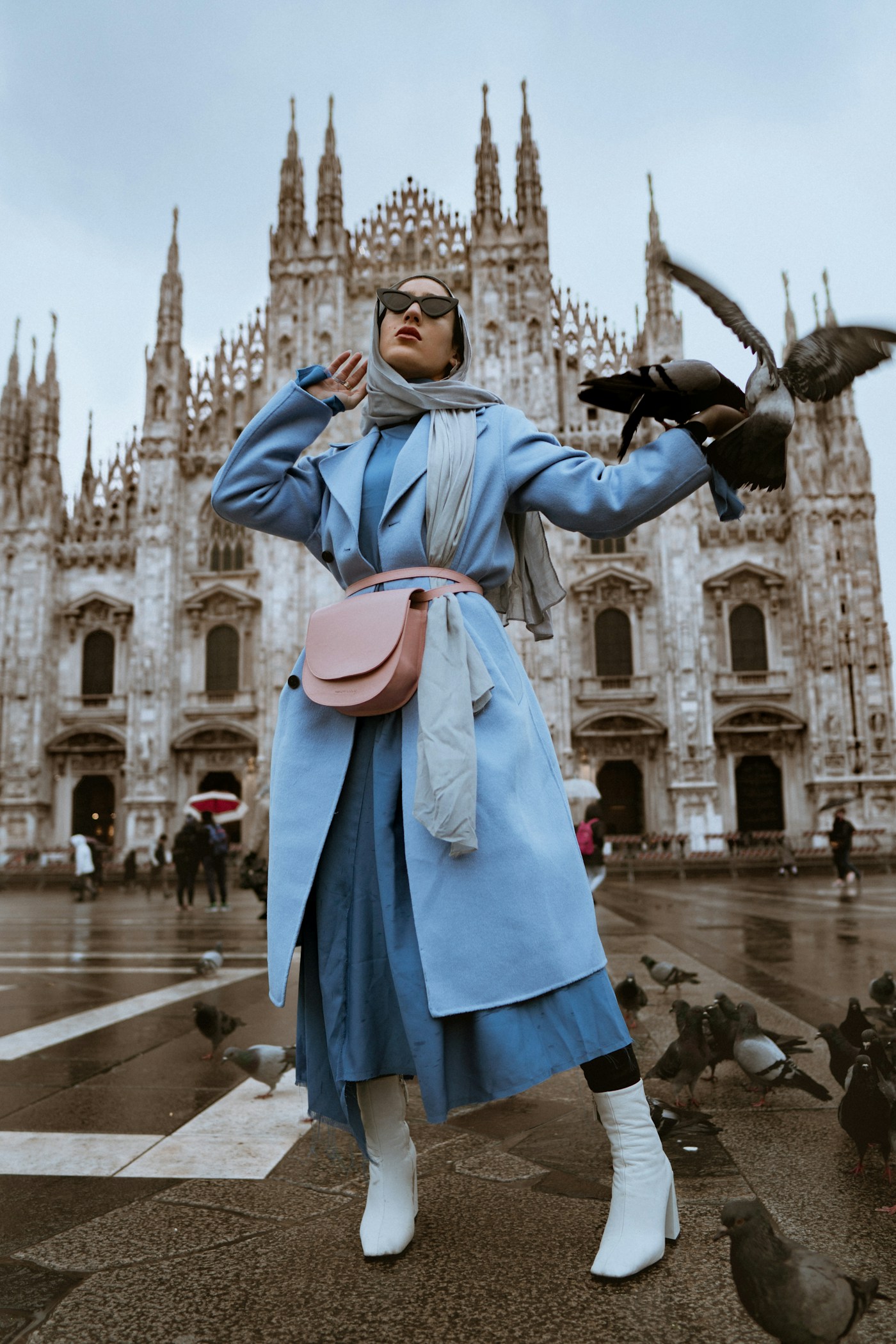
A single runway photograph is designed to make an impression. It may show the most theatrical proportion, the most striking colour or the most elaborate styling in a collection. Before using it as evidence of a broad direction, look at several looks together. Notice which shapes repeat and which details appear only once. Repetition can reveal a design idea more clearly than the image most likely to circulate on its own.
Then distinguish the garment from the styling. A jacket may be familiar, while its relationship with a skirt or shirt makes the look feel new. A dress may rely on an unusual accessory to create its mood. This distinction matters because the useful takeaway may be a different arrangement of existing clothes rather than a new purchase. The runway offers a visual argument; you can decide which part of that argument belongs in your wardrobe.
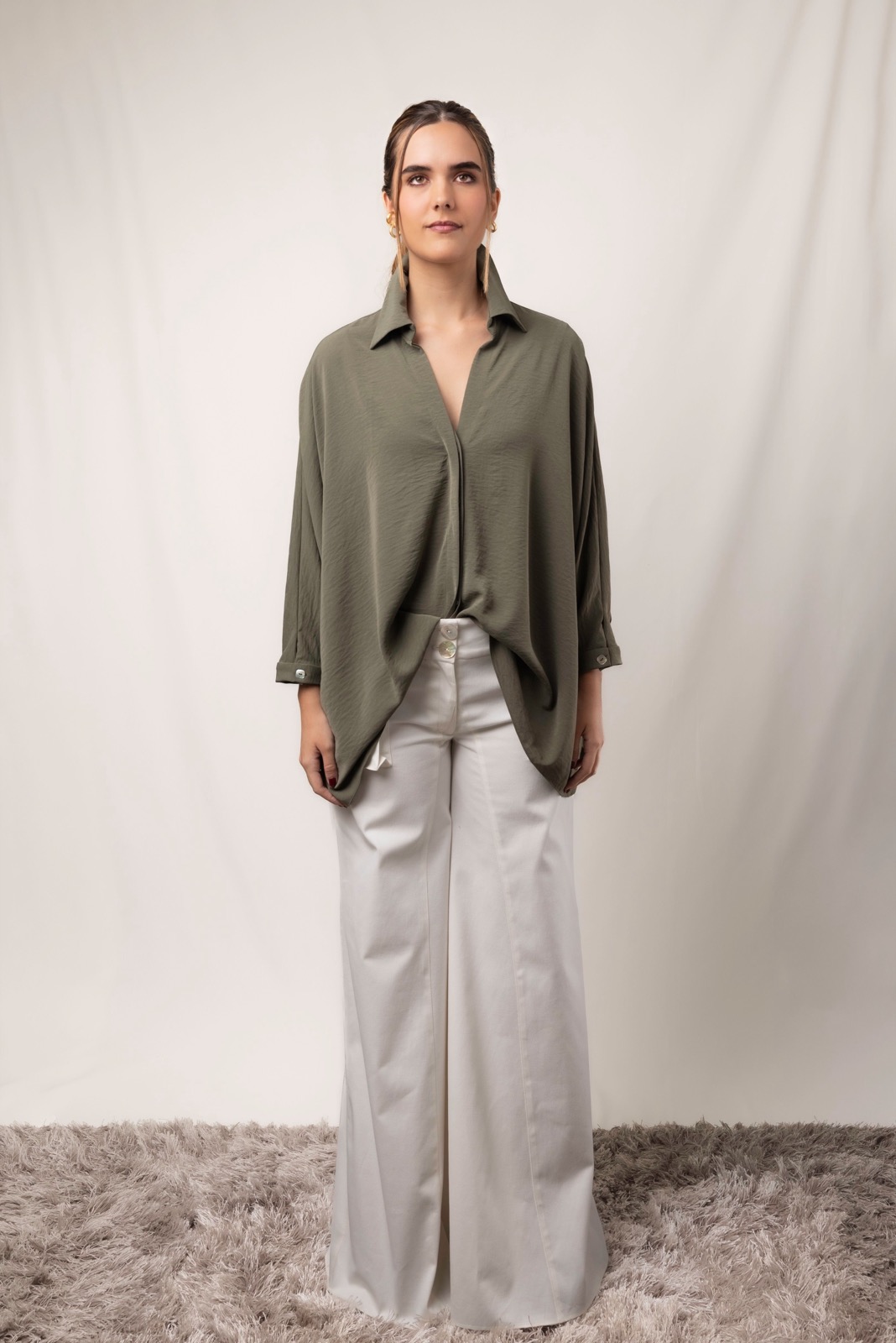
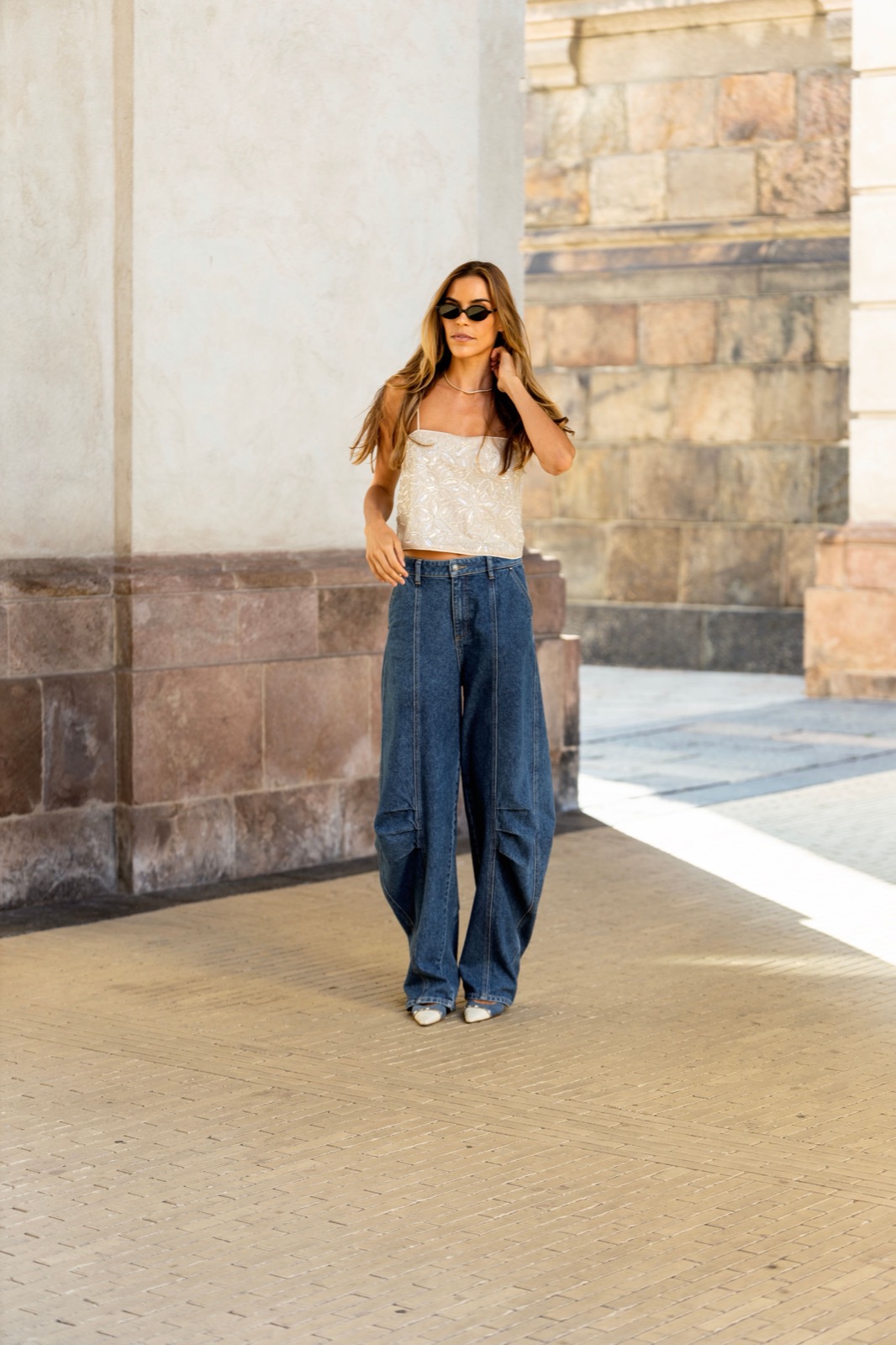
An expanded sleeve, fuller skirt or more generous trouser changes where an outfit carries weight. The interesting question is not whether volume is fashionable, but where you want it. A fuller top with a quieter bottom creates one arrangement; a narrow top with a wider leg creates another. You can experiment with those proportions using garments already available, adjusting tucks, layers and lengths before considering something new.
Check the result during movement. Runway clothes are often seen in motion, yet inspiration images are frequently judged as still photographs. Walk, sit and add the coat or bag you need. A silhouette that only works when the arms are held a certain way may be more useful as an image than as an everyday outfit. That is not a criticism of the design. It is a distinction between a presentation and a practical wardrobe choice.
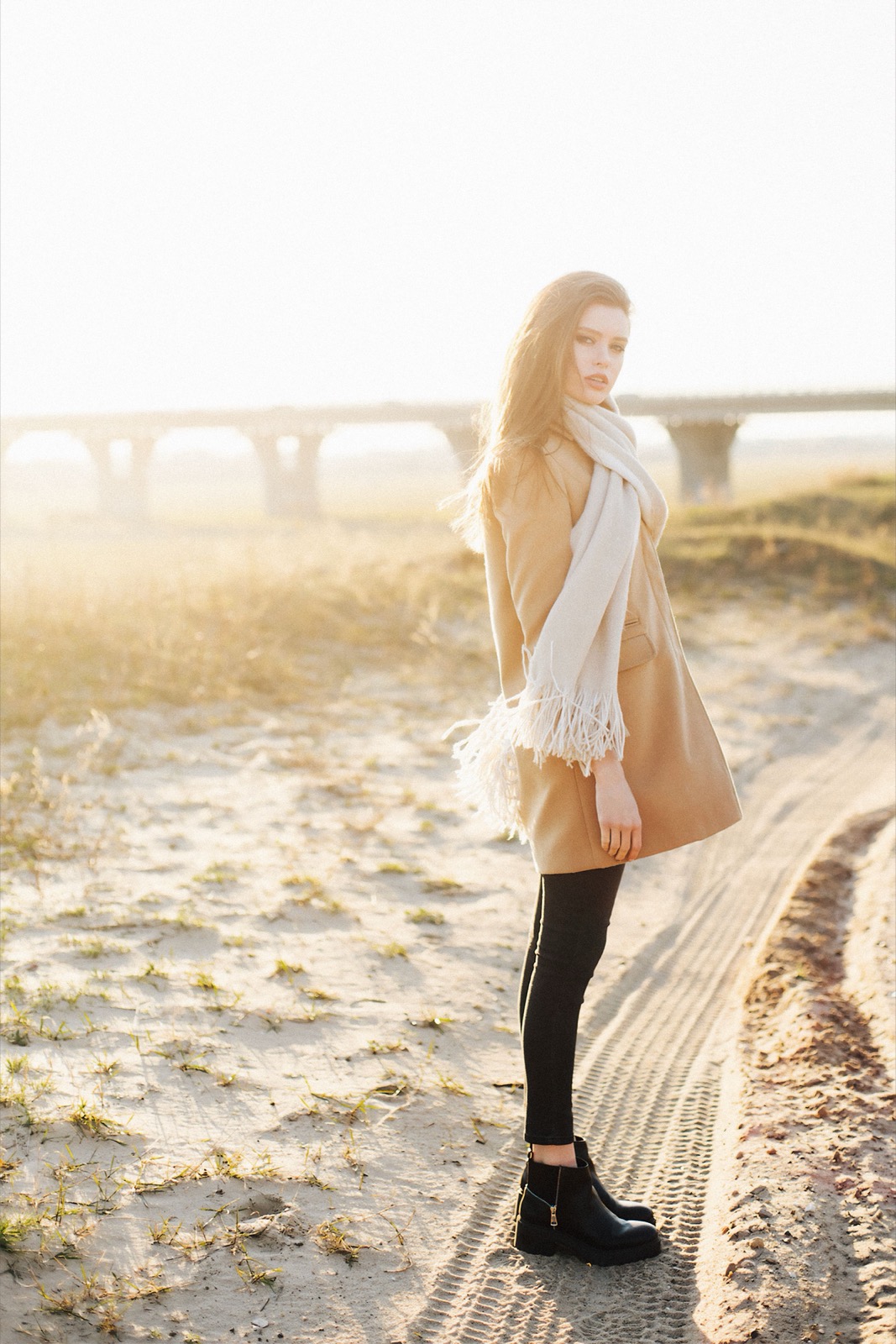
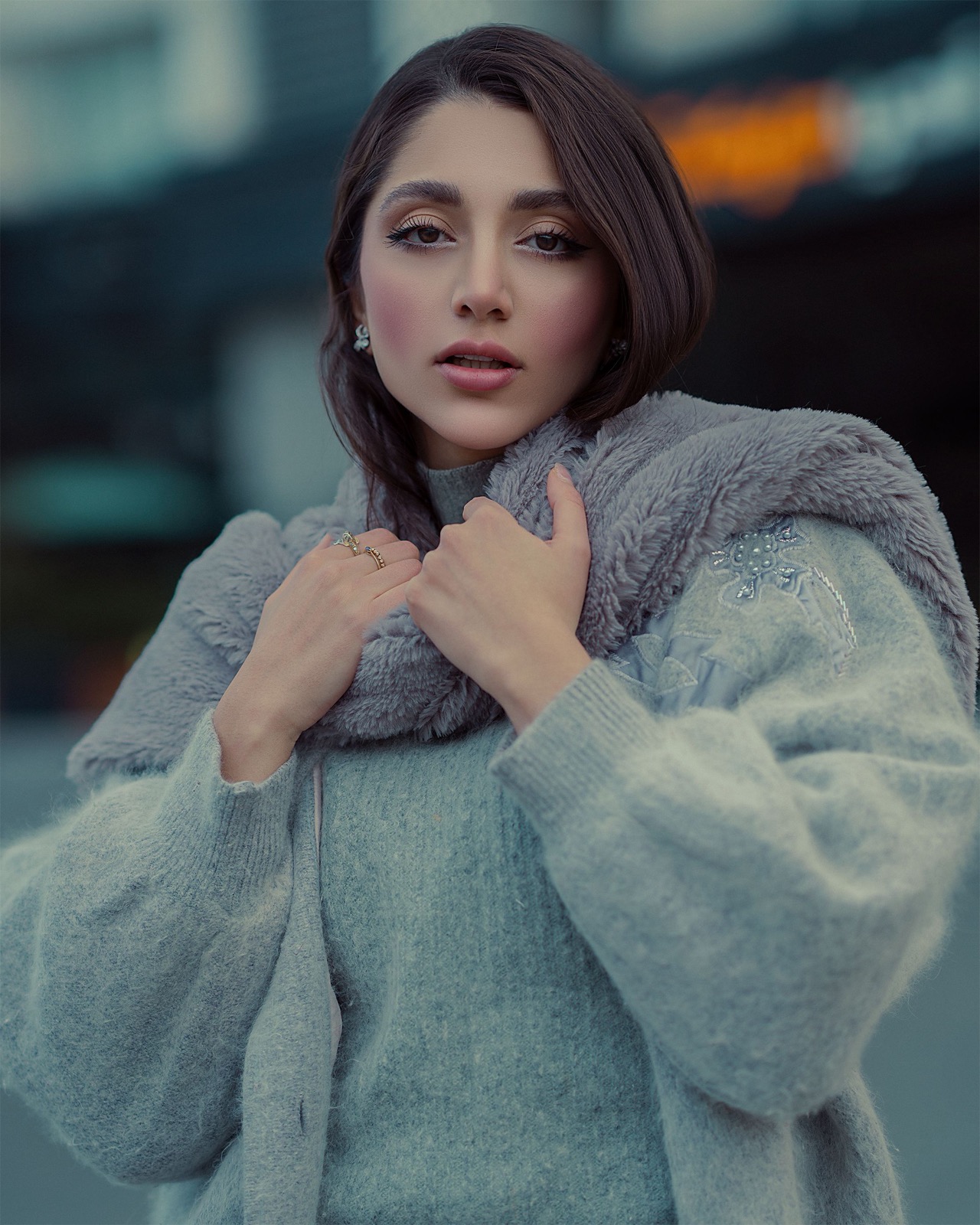
A simple shape can become more interesting through its surface. Knit, satin, suede-like texture, visible weave and decorative construction each change how light moves across a garment. You do not need several of them at once. Try one textured piece beside something plainer and notice whether the contrast gives the outfit enough interest. The shape can remain familiar while the surface changes the mood.
Avoid assuming that a richer-looking texture establishes quality. Examine the garment, read the material and care information and consider how it will be used. A beautiful surface may ask for maintenance you do not want, or it may feel uncomfortable against the skin. The practical decision remains separate from the visual one. A useful interpretation of runway texture is something you can wear and care for, not merely admire from a careful distance.
A shirt, jacket or skirt can feel different when placed beside an unexpected companion. Try a structured layer with a softer bottom, a plain knit with a more expressive accessory or a familiar dress with a different shoe shape. Keep most of the outfit stable while changing one relationship. This makes it easier to identify what is producing the effect and whether you want to repeat it.
The word staple can be misleading if it suggests an identical list for everyone. Your useful foundations depend on work, climate, comfort and personal preference. A white shirt may be central to one wardrobe and barely used in another. Start from the clothes that actually perform that role for you. The runway idea becomes more valuable when it enters a real system rather than an imagined wardrobe assembled around general advice.
An expressive outfit does not need several competing focal points. A collar, sleeve, belt, bag or shoe can provide the main emphasis. Choose the detail you want noticed first, then consider whether the surrounding pieces support it. If everything is equally prominent, you may enjoy the energy, but make that a conscious choice. If the result feels crowded, remove one element before replacing the whole outfit.
This approach is particularly useful when translating decorative runway styling. A show can sustain visual intensity that feels excessive during an ordinary day. Taking one detail allows you to retain the idea at a scale you enjoy. You are not weakening the inspiration by adapting it. You are doing the work that makes an image useful: identifying its structure and rebuilding the part that fits your own context.
A new shape can feel difficult partly because it arrives in an unfamiliar colour. If you want to assess the shape, try a version in a shade you already wear. If you want to assess a colour, place it in a familiar silhouette. Separating the variables makes experimentation more informative. Otherwise, a single unsuccessful outfit can lead you to reject several ideas at once without knowing which part caused the discomfort.
The same principle applies to shopping. A garment that changes colour, shape, texture and formality simultaneously may be exciting, but it will need a clear place in the wardrobe. Identify that place before buying. If every supporting item is missing, the garment is not a small update. It is the beginning of a larger project, and the decision should reflect the time, money and attention that project would require.
A seasonal report is a snapshot of a conversation, not an expiry date for clothes. A useful jacket does not become unusable because a different collar appears in the next collection. Treat reports as a source of questions and possibilities. They can help you notice an overlooked colour, try a new proportion or understand why a particular detail keeps appearing in images around you.
The strongest response may be selective repetition. Keep the clothes that already work and introduce one idea that genuinely interests you. Wear it several times, adjust it and decide whether it becomes part of your vocabulary. That process produces a more personal result than adopting an entire seasonal package. The runway can expand your choices without becoming the authority that decides which parts of your existing wardrobe remain acceptable.
Bring a clear question: does this sleeve change an outfit in a way you enjoy, does this texture work with your everyday layers, or does this shape solve a real gap? Try the garment with realistic companions and move in it. Check care requirements and avoid letting a strong first impression replace practical assessment. The useful purchase is the one whose design interest survives contact with your routine.
Autumn 2026 offers plenty of visual material to consider. The lasting value is in learning to read it carefully. Contrast, texture and altered proportions can make familiar clothes feel newly considered, but none requires a complete restart. Take the idea that helps, leave the rest and let repeated wear determine whether the season has contributed something worth keeping.
OUR WRITERSJohn BlosteRead more from John Bloste on Her & Bloom Daily.
All stories by John Bloste ↗